
Critical Pallet Specs for Pallet Flow Rack, Push-Back, and Conveyor System Design
Learn How Pallet Specs Impact the Design of Your Pallet Flow Rack, Push-Back, and Conveyor Systems
There’s a lot of focus, and rightly so, on how fast and efficiently inventory and orders flow through a warehousing or distribution facility. Today, we’re shifting the spotlight from movement to storage—specifically, storage racking. As a follow-up to our recent Comprehensive Overview of Pallets blog, we’ll dive into pallet rack design and why understanding the critical pallet specs—such as size, shape, and material—is essential. We’ll explore dynamic systems like pallet flow rack, push-back rack, and conveyor systems, where pallet specs directly influence the components and system configuration. Getting these specs right from the start is crucial to ensuring everything else falls into place. So, let’s dive in!
1. Pallet Specs: A Foundation for Effective Design
Understanding pallet specs is critical when designing your storage system, as these directly influence how your pallet flow rack, push-back, and conveyor systems are configured. The material of the pallet—whether wood, plastic, or metal—significantly impacts system performance.
 Wood Pallets:
Wood pallets are the most common in warehousing, but they come in a variety of sizes and configurations, each affecting how weight is distributed and how much contact the bottom of the pallet has with the system. For example, pallets with more bottom boards provide better contact with rollers or wheeled tracks, leading to smoother movement in systems like pallet flow or conveyors. For dynamic storage solutions, wood pallets must be in good condition and made from hardwoods to maintain reliability over time.
Super Sack Pallets:
Super sack pallets vary in height and width depending on their contents. When designing pallet flow, push-back, or selective racking systems, it’s important to consider the overall load size, as additional space is required to accommodate varying load dimensions. Extra attention is needed for the pallet’s structural integrity, particularly the potential for sagging in the middle, which can affect the performance of rack and conveyor systems.
Plastic Pallets:
Plastic pallets are an excellent alternative, particularly in industries with moisture or wash-down compliance requirements. They come in various sizes and styles, but their bottom configurations often provide minimal contact with the base of your storage bay or conveyor. For example, pod-footed plastic pallets have very little surface area in contact with the system, making them more difficult to reliably convey.
However, it’s important to note that plastic is more slippery than wood, especially on steel wheels and rollers, which can affect both speed and control. Also, plastic can conform to rollers or wheels, especially if the pallets are left sitting for extended periods. While this isn’t as much of an issue in static systems, in dynamic systems, it can prevent the pallet from flowing properly, causing hang-ups and delays.
Metal Pallets and Containers:
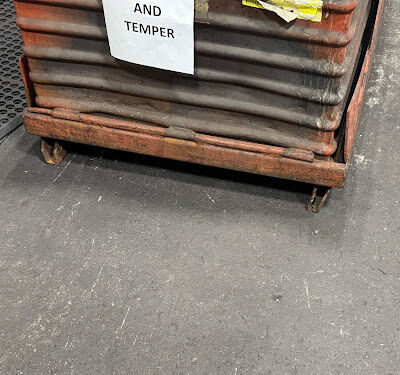
Like plastic, metal pallets and containers can “surf” across the surface of a pitched roller system, such as pallet flow or gravity conveyor. They also tend to have limited surface contact areas, which may need to be addressed during the system design phase to ensure proper functionality.
 |
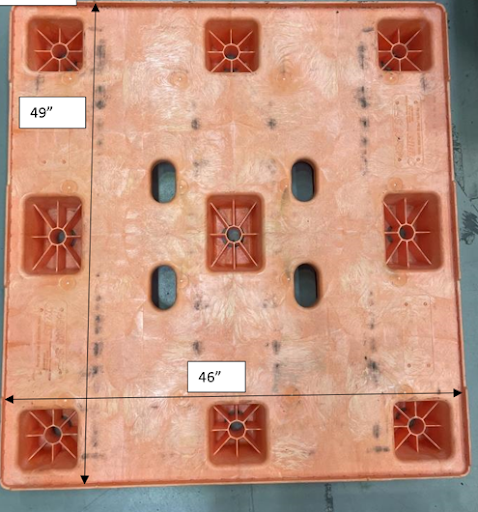 |
| Metal Footed Pallet | Plastic Pallet (Bottom) |
Load Distribution:
Another important consideration for all pallet types is load distribution. Ideally, the load weight should be spread evenly across the pallet to avoid putting too much pressure on one area (i.e., a point load). Point loads are often found with liquid or loose dry ingredients where the weight shifts as the pallet moves. In such cases, designing your system to handle potential load shifts is crucial to ensure safe function. Proper load distribution ensures smooth, reliable operation throughout the entire storage lane.
In the sections below, we’ll delve deeper into how each specific system design responds to these pallet specifications and what else you need to consider for success.
2. Pallet Flow Rack Design: How Pallet Specs Shape Your Solution

Full Roller Pallet Flow Rack
Pallet flow racking consists of wheeled or roller tracks set on an incline. Pallets advance from the load side to the opposite extraction side, propelled by gravity. Most pallet flow systems can handle 2-10 pallets deep, but they can also be designed for deeper pallet storage, rivaling automated storage and retrieval systems (ASRS).
From pallet size and weight to material choice and height, each specification directly impacts the flow rack’s design and functionality. Here’s how:
Pallet Orientation
Pallet orientation is vital in optimizing your flow rack design, i.e., how the pallets will be positioned in the lane. If the bottom boards run perpendicular to the direction of flow (48” depth x 40” width), it allows for more pallet flow lanes and makes it easier for forklifts to load and unload the pallets, given the positioning of the fork openings.
On the other hand, when the bottom boards run parallel to the direction of flow (40” depth x 48” width), you can fit more pallets per lane, which could be beneficial for situations with larger quantities of a few SKUs.
Pallet Bottom and Contact Surface
As noted briefly above, one of the most critical aspects of pallet flow rack design is the bottom of the pallet, specifically how much surface area comes into direct contact with the wheeled or roller tracks. The amount of contact between the pallet and the track significantly impacts the system’s performance. More contact helps ensure the pallet moves freely, while minimal contact can cause pallet hang-ups.
Pallet flow systems often rely on speed controllers to maintain a safe flow velocity and keep pallets centered as they move. These controllers are particularly important when the pallet has minimal contact with the flow lane, as they help prevent the pallet from shifting in the lane.
Pallet Size and Weight
While pallet flow systems are often used for high-volume inventory storage with designated SKUs in each lane, you can also use pallet flow systems for other warehousing processes such as staging, intake, and case picking. In these cases, it’s not uncommon for pallets of different sizes to be together in the same lane. Not to worry, pallet flow can handle it. You will want to customize the design to ensure smooth movement of pallets of different sizes and weights. In these cases, full rollers are typically the best solution, as they allow for pallet variations while maintaining consistent flow.
3. Push-Back Rack Design
Push-Back Racking
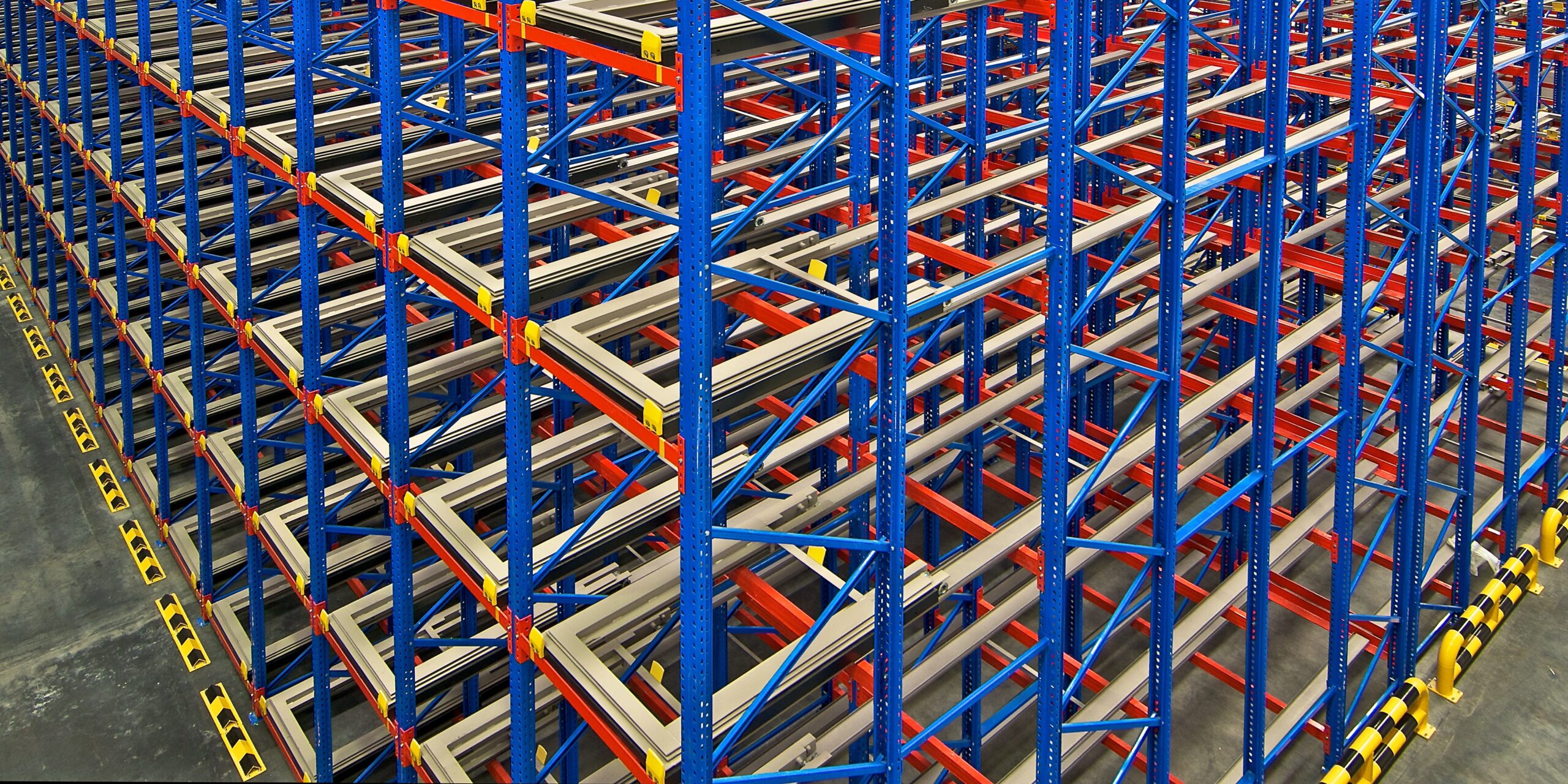
When it comes to push-back rack systems, pallet specifications play a crucial role in ensuring smooth operation. Unlike pallet flow racks, push-back systems are loaded and unloaded from the same aisle. Pallets are placed on wheeled carts stacked at the front of the lane. After loading the first pallet, it is pushed back to create space for the next pallet, which is placed on the cart beneath. This process continues until the lane is full. Push-back systems typically handle 3-6 pallets deep. As pallets are removed, the rear pallets move forward on the wheeled carts. Here’s how pallet specs impact the design of push-back racks:
Uniform Pallet Size and Weight
A critical design point for push-back racks is that pallets should be uniform in size and weight, at least within each storage lane. This uniformity ensures that the pallets sit securely atop the wheeled carts responsible for moving them. Additionally, smaller pallets could be dislodged by larger pallets behind them as they flow forward, creating a potential safety concern. For this reason, maintaining consistent pallet dimensions is essential for smooth and safe operation.
The Role of Pallet Material
Unlike pallet flow, where the pallet’s material plays a more prominent role in how it interacts with the system, the material of the pallet is less of a factor in push-back systems. Since the wheeled carts are the primary movers of the pallets, the pallet itself doesn’t have to be designed for smooth movement along tracks. However, ensuring the pallets are in good condition is still important, as damaged or unstable pallets can cause hang-ups in this dynamic system.
In some cases, if extra pallet support is needed, solid-top carts can be incorporated into the system. These carts provide a larger surface area to support the pallet but come at an additional cost. The decision to use solid-top carts depends on your operation’s specific needs and the type of pallets being stored.
4. Conveyor System Integration

Powered Conveyor Lines
When designing powered or gravity conveyor systems—whether in-rack or on the floor—it’s crucial to consider the style, size, and material of the pallets being used. These factors directly impact the efficiency and performance of the system, which plays a key role in feeding pallets into production or handling finished goods as they exit the production line on their way to shipping. The following points highlight how pallet specifications influence conveyor system design:
- Pallet Size and Weight: Larger or heavier pallets may require more robust conveyor systems with higher load capacities, as they exert more force on the conveyor surface. This can influence the need for reinforced rollers or heavier-duty motors for powered conveyors.
- Pallet Material: Pallets made of wood, plastic, or metal can affect friction levels on conveyor systems. For example, plastic pallets may require smoother, more durable rollers, while wooden pallets might have higher friction and wear rates, necessitating more frequent maintenance.
- Roller Spacing: The size and shape of pallets influence the spacing between rollers in both gravity and powered systems. Larger pallets may require wider spacing to ensure smooth travel, whereas smaller pallets may require more closely spaced rollers to prevent jamming or misalignment.
- Conveyor Speed and Control: Heavier or larger pallets might require slower conveyor speeds and better speed control to ensure smooth handling. In contrast, lighter pallets may travel faster without damaging the system.
- Clearance Requirements: Pallet height and overall size affect the clearance needed between the conveyor and other elements in the system, such as side guides or supports, to prevent obstruction or damage during transport.
Expert Installation and Unmatched Service for Your Warehouse Systems
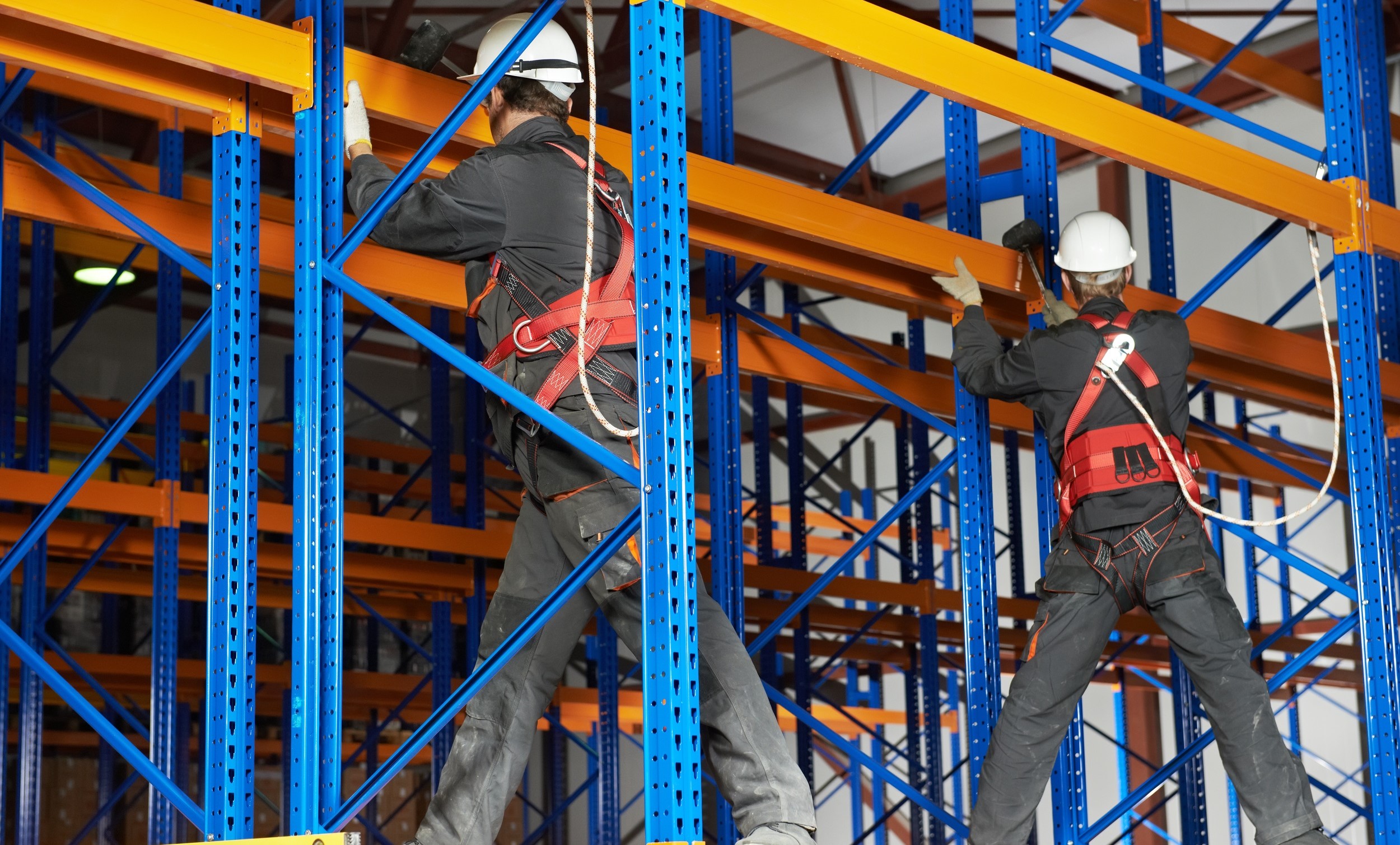
At Warehouse Optimizers, Inc. (WOI), safety is our top priority, especially when designing and installing your racking systems. A poorly installed system can pose risks to employees, inventory, equipment, and infrastructure. WOI offers professional installation services for all your systems, including pallet flow rack, push-back rack, and conveyor systems. Our experienced team handles everything—from permitting to final signoffs—ensuring seamless project execution and optimal performance for your warehouse systems.
WOI Professional Installation:
- OSHA-Trained Project Managers
- Drug-Free Workplace Certification
- Daily Job Safety Analysis and Jobsite Inspection
- Authorized and Trained Forklift, Scissor Lift, and Aerial Lift Operators
- TN & AL Licensed General Contractor #00046536 ($1M License)
- Insurance Experience Mod. Rate 1.0
- Full Insurance with a $5M Umbrella
Trust WOI to handle your next pallet rack installation, ensuring it’s done right the first time, every time.
The WOI Total Satisfaction Experience™
When you partner with WOI, you gain more than just design and installation expertise—you receive a dedicated team focused on your success. Our WOI Total Satisfaction Experience™ is built around five key principles:
- Listening to Your Needs – We take the time to understand your unique challenges and requirements.
- Executing with Precision – Our expert team ensures your system is tailored to your exact specifications.
- Adhering to Timelines – We respect project deadlines to minimize disruptions and maximize efficiency.
- Ensuring Safety – Every aspect of our work prioritizes safety for your employees and operations.
- Attention to Detail – We meticulously oversee every phase of the project to deliver a flawless installation.
Improve warehouse efficiency and safety with WOI’s comprehensive pallet rack solutions and expert installation services. Contact us today to discuss your next project!
WOI Service Areas
Nashville TN, Knoxville TN, Clarksville TN, Memphis TN, Chattanooga TN, Johnson City TN, Huntsville AL, Birmingham AL, Bowling Green KY, Asheville NC, Charlotte NC, Kalamazoo MI, South Bend IN
Contact Us Today
We will be happy to assist you with any questions or more detailed product information on any Warehouse Optimizers products.