
10 Questions to Ask Before Hiring Your Next Pallet Rack, Building, or Conveyor Installation Crew
When you entrust a crew to install your pallet racking, you’re not just hiring them for a “one-and-done” project. You’re relying on them to ensure the safety of your employees, the integrity of your inventory, and the ability of personnel and vehicles to maneuver freely through your facility without obstruction. Who you choose to install your pallet racking makes a world of difference, and it’s important that you know the right questions to ask when hiring a crew to perform the work. Here are some important questions to ask to make sure you get the best team for the job.
Top 10 FAQs – Hiring the Right Pallet Rack Installation Crew
1. Who’s Doing the Work?
Many material-handling companies outsource their installation to third-party companies. This means that you have to provide a deeper layer of research to find out who the installation contractor is and confirm their credentials. Ask the company to provide detailed information about the installation company, including their name, contact information, and whatever relevant facts they may have. Even with this basic information, you can contact the vendor directly and find out more about their credentials, their history, and their satisfaction reviews.
2. Ensure the Installers are Insured – Verify Don’t Trust.
Any insured business will be able to provide an insurance certificate detailing its coverage and limits. You need to be sure that a current certificate of insurance is kept on file. Add yourself to the sub-contractors insurance certificate so you will be covered under the installer’s policy for their operations. If you fail to verify their insurance and there is an injury or accident, your worker’s compensation and insurance will cover the injuries or damage, resulting in additional costs and higher rates.
3. Does Their Installation Plan Conform to Industry Standards?
The Racking Manufacturing Institute (RMI) provides comprehensive guidelines and recommendations regarding the safe and secure installation of pallet racking in warehouses. Confirm that they will be abiding by both the manufacturer and RMI pallet rack installation requirements for your individual systems. Make sure, among other things, that the installer plans to anchor rack columns with at least one anchor per column. This will keep racking columns from moving if they sustain impact. All rack columns shall be anchored to the floor with anchor bolts to resist force.

4. What Kind of References Should I Ask for When Hiring an Installer?
Ask for written and documented references from other warehouses similar to your size and scope. You want to make sure that the installer you’re hiring has experience with facilities like yours and is up to the task. When they provide references, find out things like what kind of work they did for you, if they were clean, if they showed up on time, and if the project was completed on time. Did they come back and fix anything that needed correcting? Also, find out about their level of communication throughout the entire project.
5. Can My Facility Stay Open during Installation?
Make sure the installer can do their work while your facility stays in operation (if that is your desire).. Most, if not all, installers will be able to sequester designated areas where installation is being performed while the rest of your warehouse stays open. In any case, it’s important to understand and agree to the exact plan of action up front.
6. Are They Trained on All Relevant Equipment?
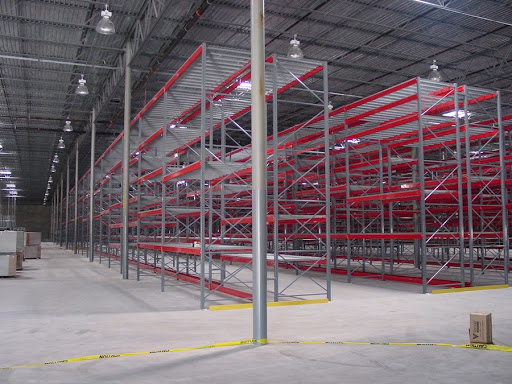
Pallet racking installation requires expert operation of specific equipment, such as forklifts, scissor lifts, and boom lifts, as well as other equipment. Confirm that the equipment operators are certified to operate the specific equipment that will be used on your job and how frequently they are recertified.
7. How Do I Check the Safety Record of the Installer?
Insurance carriers issue an experience mod rating when writing workman’s comp coverage. A 1.00 is issued to new companies with no experience. The EMR number may be reduced from year to year if there are no workman’s comp claims. If workman’s comp claims are made, the EMR number may rise. Example: 0.95 EMR is safer than the average, and 1.10 EMR is a higher risk.
8. Are They OSHA-10 Certified?
OSHA-10 certification demonstrates a baseline level of performance, competence, and professionalism through at least 10 hours of OSHA training. Each OSHA 10 certified worker is issued a card from OSHA and should show this during your initial consultation. Installation can be dangerous work, and no one wants an injury to their employees or contractor personnel. Violation of OSHA standards can result in work interruption and delayed project completion. 10 hours of OSHA training covers many topics, including OSHA guidelines, accident reporting requirements, ladder safety, tie-off guidelines, personal protective equipment requirements, and general safe practices in construction.
9. Will A Project Manager Be Present?
Installation work is complex and should be managed by an on-site project manager from the supplier. Installation supervisors need the assistance of a project manager to make decisions in the best interest of the client on changes in the field, client consultation, attention to detail, any circumstances that may increase cost, the safety of the job site, the safety of products, and personnel. Many times, distributors turn over project management to the third-party installation supervisor which can result in unsatisfactory results.
10. What Is Included in Post-Installation Inspection?
How will your installer ensure quality through a final inspection after the project is completed? RMI offers comprehensive guidelines for final installation inspection, including but not limited to:
- Checking Plumbness and Squareness
- Check Beam Seating and Locking Devices
- Check All Hardware and Anchors
- Check Component Attachment for Tightness and Security
- Properly Displayed Documents Verifying Installation Matches Plans
Make sure your prospective installer is prepared to offer a final checklist for the final inspection of your pallet rack, building, or conveyor installation.
Let WOI Help with Your Pallet Racking, Modular Building, or Conveyor Installation
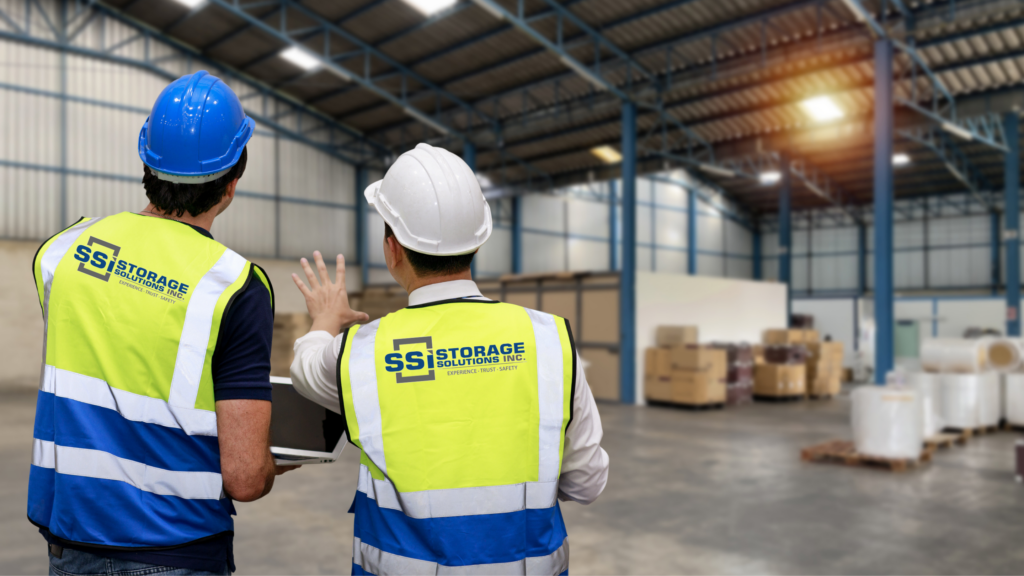
Warehouse Optimizers, Inc. offers professional, safe, clean, and on-time installation of your pallet racking. We offer OSHA 10 certification to all our installation supervisors and many other safety and quality performance measures to ensure excellence.
With our 5 Step Total Satisfaction Experience™, you are guaranteed that we will 1. listen to your needs, 2. execute your project with special attention to your unique application, 3. stick to project timelines, 4. ensure a safe environment, and 5. pay close attention to the appearance of the finished product. The WOI team will walk you through each stage of the process and provide expert customer service to deliver great results and peace of mind.
Contact a member of our team today, and let’s chat or Zoom. Call (865) 540-4004 for a prompt response. We proudly serve customers in Tennessee, Alabama, and throughout the Southeast.
Contact Us Today
We will be happy to assist you with any questions or more detailed product information on any Warehouse Optimizers products.