
The Smart Buyer’s Guide to Ordering Pallets
What Every Rack User Should Know Before Purchasing Pallets
When you’re running a fast-paced warehouse or distribution center, pallets are more than packaging—they’re the foundation of your entire material handling process. The right pallet keeps products stable, protects inventory, properly fits your racking, and ensures a smooth flow through your operation.
However, with numerous options and variables, pallet buying can feel overwhelming—especially if you’ve been tasked with finding a cost-efficient and reliable supplier who can support your volume, schedule, and rack configurations.
That’s where Warehouse Optimizers Inc (WOI) comes in. As a trusted resource for pallet users across the Southwest U.S., WOI supplies new and reconditioned pallets, offers competitive pricing, custom delivery schedules, and even provides ongoing pallet removal programs for facilities with excess inventory.
This guide breaks down the most common questions pallet buyers ask—and how WOI can help you choose the right solution with confidence.
Where Do I Start When Ordering Pallets?
If you’re new to pallet purchasing—or just switching suppliers—the easiest place to begin is understanding the basic details your supplier will need. A few key pieces of information help ensure you get an accurate quote and the right pallet for your operation. Here’s what WOI looks for when building your recommendation:
8 Questions to Build Your Quote
A simple set of details will ensure you get an accurate, competitive quote:
- Quantity needed: Is this a one-time purchase or a recurring service?
- Do you have a preference for new or reconditioned pallets?
- What size and type of pallets do you need?
- What is the maximum load capacity required? (This directly affects rack safety and pallet performance.)
- Do you require code-compliant specifications, such as food-grade, clean pallets, heat-treated for export, etc.?
- What style of racking system do you use?
- What is the delivery location and schedule needed?
- Will you also require pallet removal or rotation?
WOI takes these details and builds a pallet program tailored to your operation—whether that means custom delivery schedules, routine replenishment, recurring supply contracts, or regular pallet removal to keep your facility clean and running smoothly.
Are All Pallets Standard? Understanding Sizes, Styles & Types
Pallets may look similar at a glance, but they vary widely in size, material, and construction. While the 48×40 GMA-style pallet is the most widely used in North American warehousing, buyers should know that:
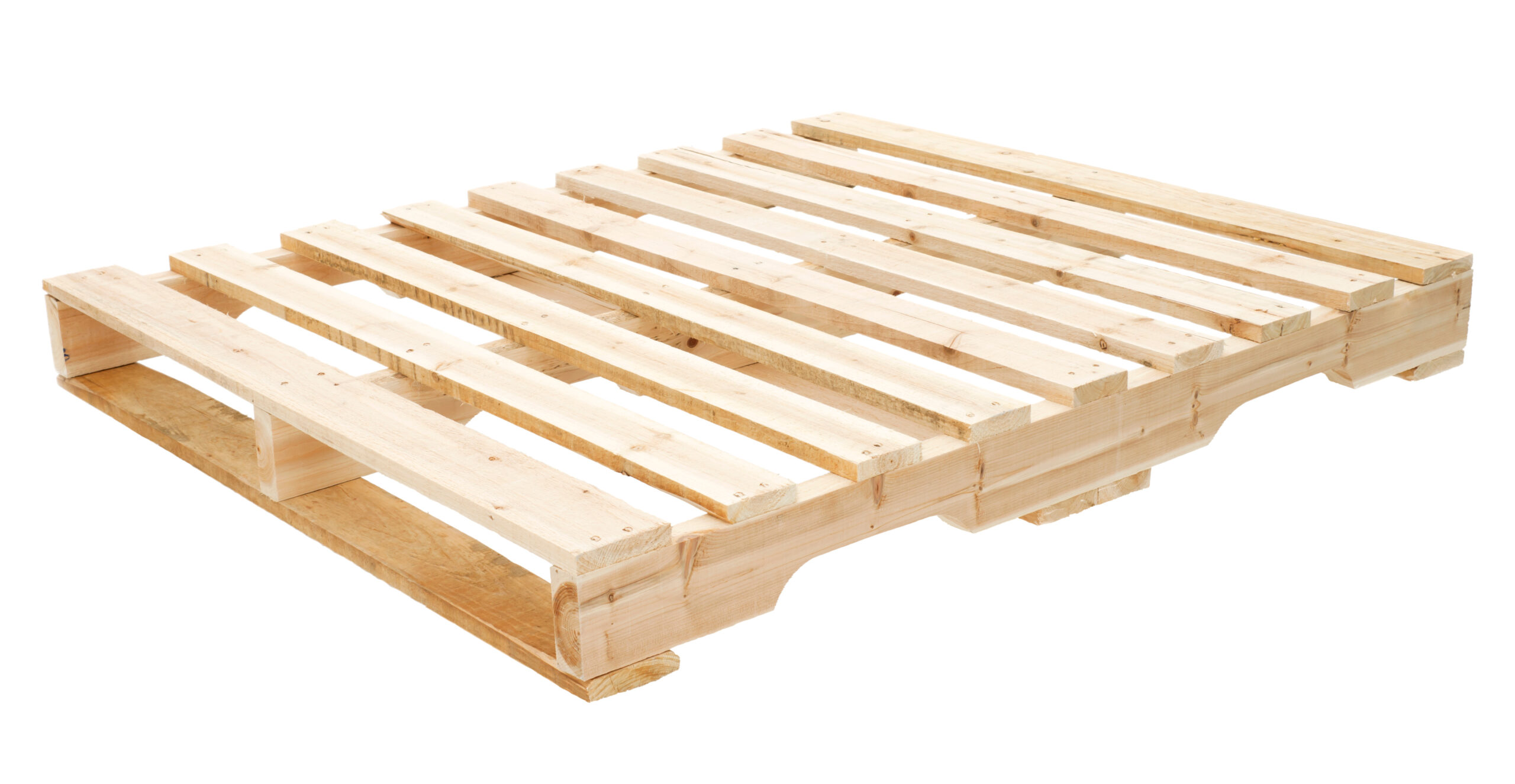
- Pallet sizes can vary depending on the product and industry. For example, other common options include 42×42 and 48×48.
- Reconditioned pallets come in different grades (#1 and #2).
- Some rack systems require specific pallet criteria, such as:
- Dynamic pallet flow requires higher-quality, good-condition pallets
- Drive-in racking requiring consistent pallet sizing across all positions
- Export pallets often need heat treating (HT).
- Food-grade applications require stricter standards, including wash-down compatibility and pest deterrence.
Because every operation has different requirements, WOI supplies standard, recycled, new, custom, and odd-size pallets—ensuring you get precisely what your storage and racking system demands.
Common Pallet Types & Their Best Uses
Once you understand that pallets aren’t one-size-fits-all, it helps to know the main categories you can choose from. Here’s a quick breakdown:
Reconditioned Pallets (#1 and #2 Grades)
- Cost-effective
- Environmentally friendly
- Quality-inspected
- Excellent for most rack applications
- Grade A (#1): No stringer repairs.
- Grade B (#2): May include professionally repaired stringers.
- Core Grade: A subset of #2 pallets with more than three repaired stringers.
New Pallets
- Consistent specs and strength
- Best for heavy loads or automated systems
- Great for buyers who require tight dimensional control
Heat-Treated (HT) Export Pallets
- Required for international shipping
- ISPM-15 compliant
Food-Grade Pallets
- Cleaner material standards
- Ideal for food, beverage, and pharmaceutical storage
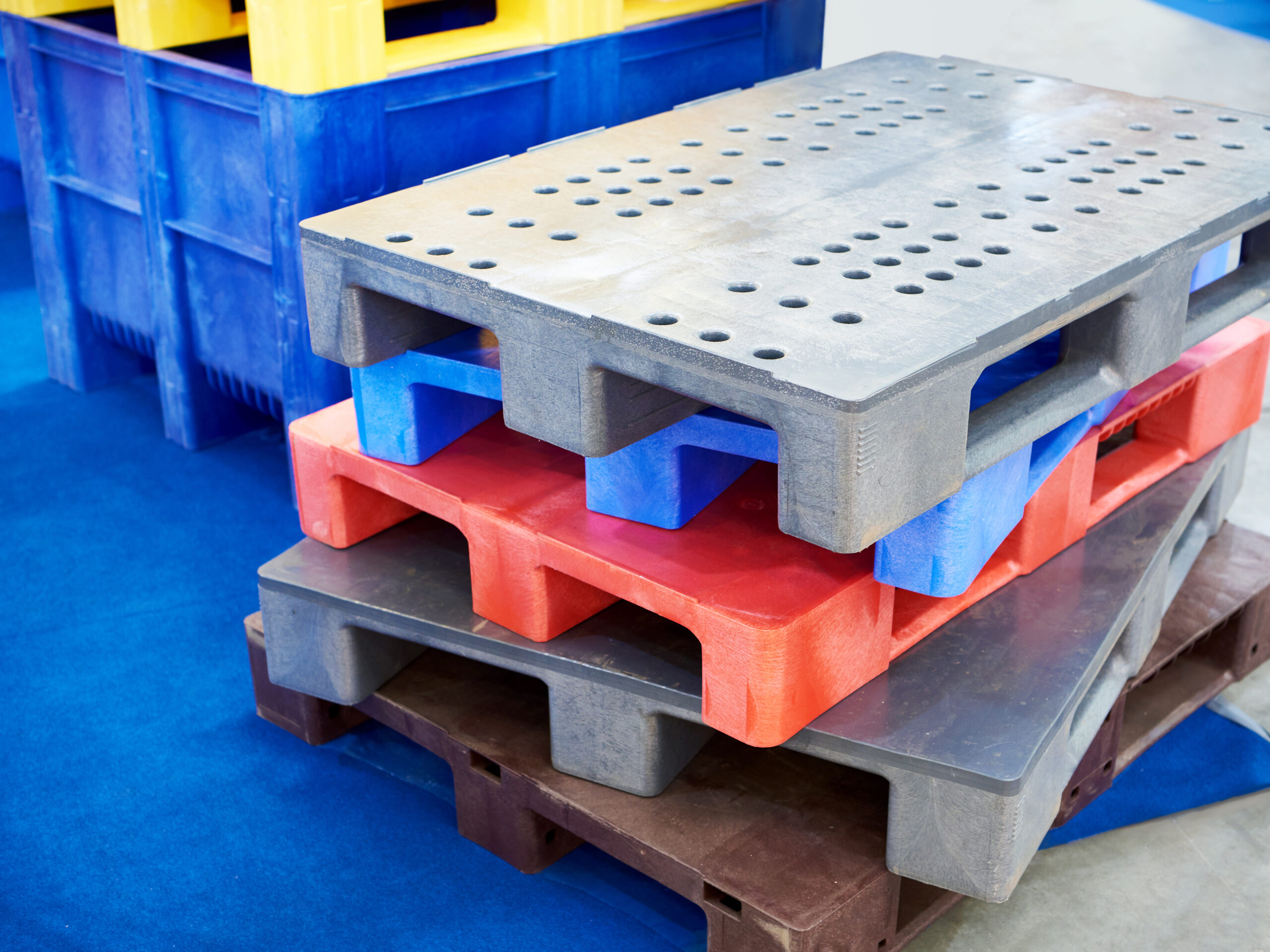
Plastic Pallets
- Durable and reusable
- Hygienic and moisture-resistant
- Often preferred in clean environments
Custom or Odd-Size Pallets
- Built for oversized, fragile, or irregular loads
- WOI can produce milled or spec pallets to exact requirements
Whatever your needs, WOI offers the right blend of durability, cost efficiency, and rack compatibility.
Pallet FAQs: 5 Questions Rack Users Often Ask
Pallets interact directly with your storage rack—and sometimes with pallet flow conveyors—so it’s normal to have questions about compatibility and performance.
1. What rack type is recommended for my pallets?
It depends on pallet condition, size, consistency, and weight:
- Selective rack works with most pallet types.
- Drive-in rack requires a consistent pallet size, but allows for wood or plastic. Pallets must be in good or excellent condition. Compromised pallets should never be used in drive-in.
- Push-back rack needs uniformly sized pallets—each load rides on wheeled carts designed to a specific dimension.
- Pallet flow conveyors offer a range of design options, allowing you to tailor your flow rack system to the specific types of pallets you use. Gravity flow conveyor systems can also handle mixed pallet sizes within the same lane—something drive-in and push-back cannot.
WOI can help you determine the best rack for your pallets—or the best pallets for your rack.
2. Are floor and racking conveyors available for plastic and wood pallets?
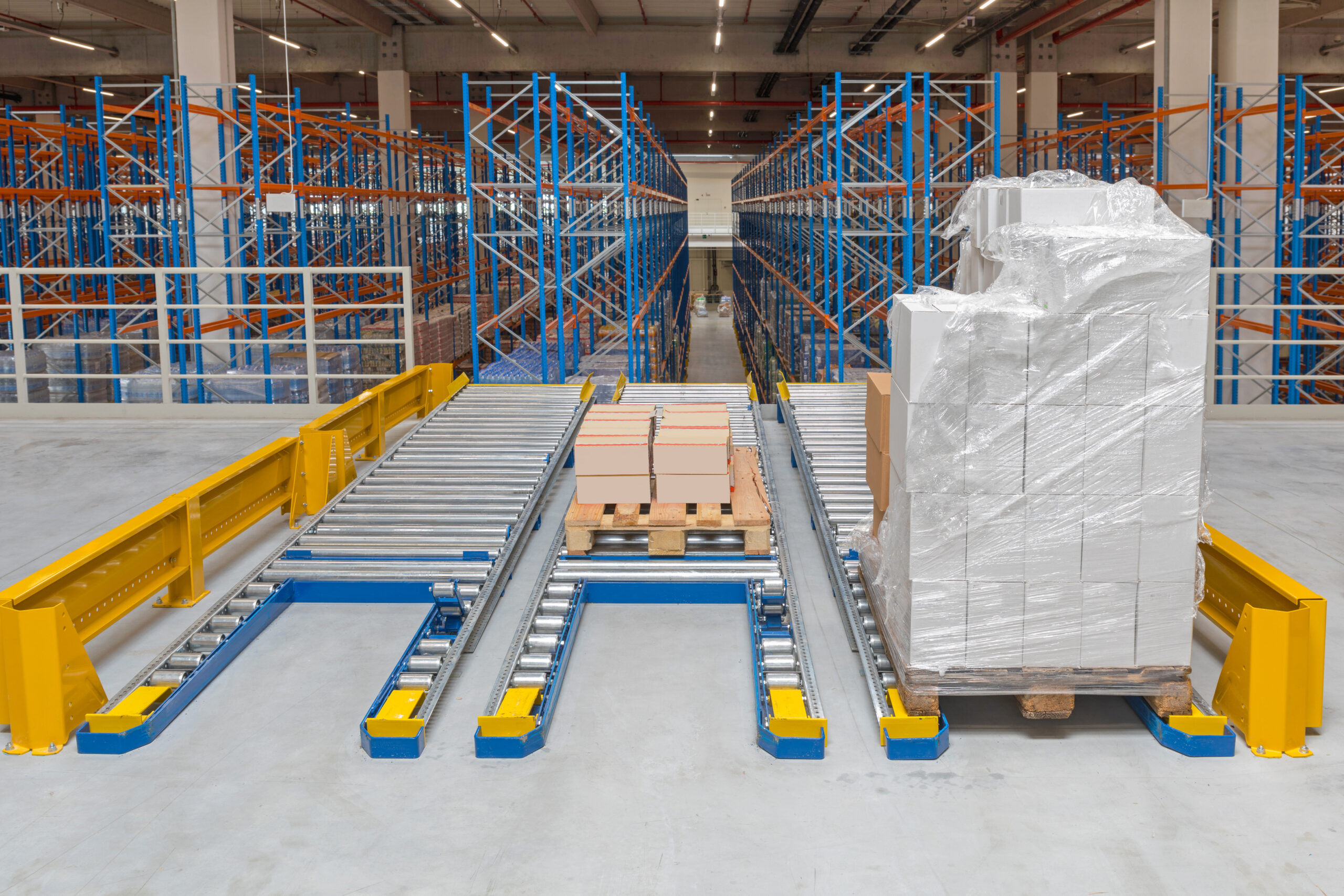
Yes. Both wood and plastic pallets can be used on floor-mounted and rack-supported pallet flow conveyors.
- Wood pallets operate well on both wheel-based and roller-based systems.
- Pallet flow can accommodate different pallet sizes and materials within the same lane—an advantage over drive-in or push-back racks.
- Roller-style pallet flow is typically the best choice for plastic pallets. Lane designs often include rubber-coated speed controllers to prevent slippery plastic pallets from “surfing” as they travel down the lane.
- Many plastic pallets feature pod-style or non-continuous bottom decks. These work best on full-roller flow lanes, where rollers span the full width of the lane. This design maximizes surface contact between the pallet and the rollers, helping to reduce hang-ups and ensure smooth flow.
3. How do pallet weights determine racking capacity?
Your rack must support the combined weight of the pallet and the load.
Heavier loads require:
- Higher-capacity beams and uprights
- Proper load distribution
- Larger footplates (base plates) in many high-capacity systems to increase stability and improve load transfer into the slab
Providing accurate pallet weight ensures your rack design—and your pallet choice—remain safe and compliant.
4. Are special-sized or custom pallets readily available?
Yes. WOI offers custom-engineered odd-size pallets, milled pallets, and special-sized pallets designed around your product, rack configuration, and handling equipment.
5. How Do I Measure & Orient Pallets to Fit My Racking?
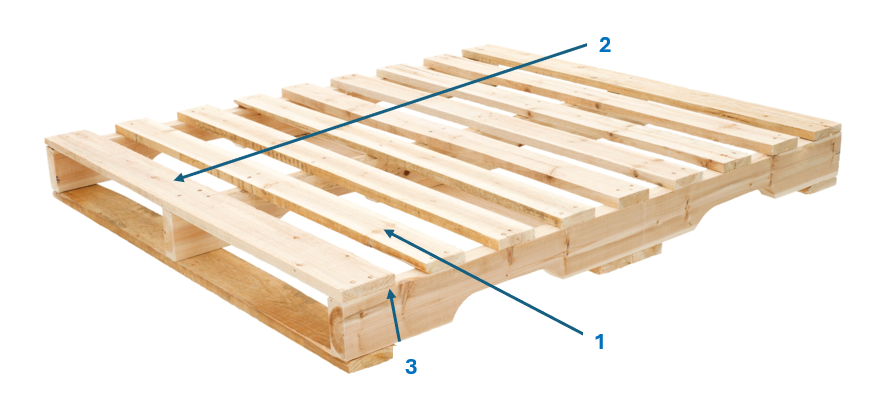
Most operations rely on the familiar 48×40 GMA-style pallet, a wooden stringer pallet designed with three parallel runners and a consistent deck board pattern. GMA pallets typically have a capacity of 2500 lbs.
A. Measuring your pallet
Since your pallet measurements impact quoting, racking, and safe load support, here’s how to measure a GMA-style pallet accurately:
- Depth: Measure along the length of the stringers (the long beams that support the deck boards).
- Width: Measure across the deck boards (the boards on top where the load sits).
- Height: Measure from the top deck boards to the bottom surface of the pallet.
For example:
A 48×40 pallet is 48 inches long on the stringer and 40 inches wide across the deck boards and 6.5 inches tall.
B. Orienting your pallet
Orienting your pallet refers to how the pallet is positioned as it enters the rack system, which affects fit and lane spacing.
2-Way vs. 4-Way Pallets
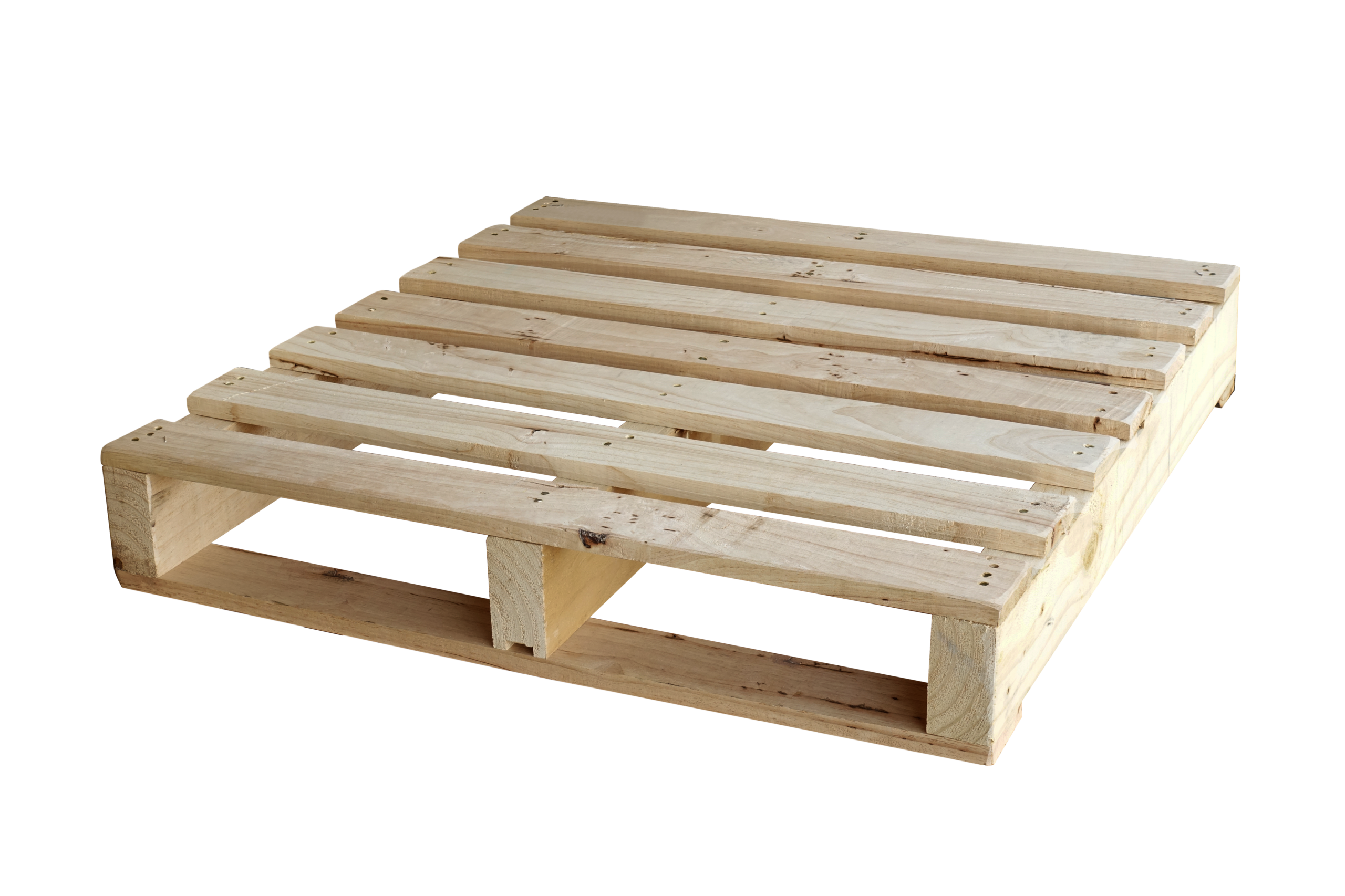
- 2-way pallets can only be lifted from two sides—the ends—because the stringers are not notched.
- 4-way pallets have notched stringers that allow forklift entry from all four sides (common in GMA-style pallets).
 |
|
| 2-Way Pallet | 4-Way Pallet |
C. How does pallet orientation affect rack design?
- More pallet lanes: Orient the pallet with the 40″ side parallel to the rack beams to maximize the number of pallet lanes.
- More pallets per lane depth: Rotating the pallet to 48″ wide × 40″ deep will allow more pallets into multi-pallet deep lanes. This orientation may be more challenging for forklift operators.
WOI advises customers on the best pallet orientation for their rack system and picking strategy.
Quality Pallet Choices & Quality Storage Systems
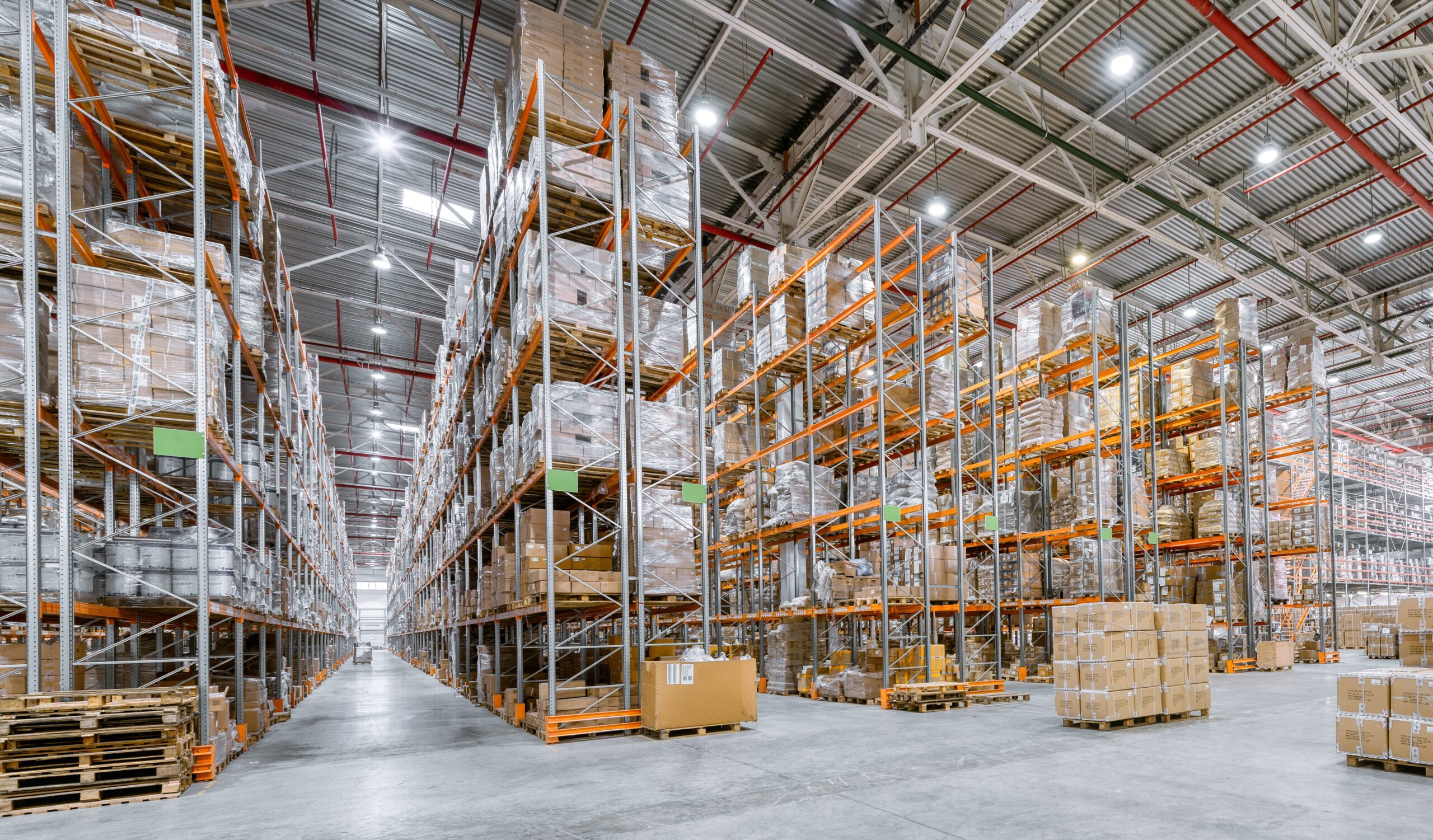
Choosing the right pallets is only part of building a safe, efficient, and reliable operation—how those pallets interact with your storage rack matters just as much. Whether you’re ordering new or reconditioned pallets, setting up a recurring supply program, or right-sizing your inventory with a pallet removal schedule, WOI is here to help your process run smoothly from the floor up.
For operations looking to expand, adjust, or optimize their storage layout, Warehouse Optimizers, Inc. (WOI) also delivers professional rack design and installation services to ensure your pallet choices perform safely within your racking system. A poorly installed rack can create serious risks for employees, products, and equipment, which is why WOI emphasizes safety and precision in every installation project.
With over 300 installations completed each year, WOI manages everything from permitting to final sign-offs—keeping your project on track and your team protected.
WOI Professional Installation Includes:
- OSHA-10 Trained Project Managers
- Drug-Free Workplace Certification
- Daily Job Safety Analysis & Jobsite Inspection
- Authorized Forklift, Scissor Lift & Aerial Lift Operators
- TN & AL Licensed General Contractor #00046536 ($1M License)
- Full Insurance with a $5M Umbrella
- Experience Modifier Rate of 1.0
With our commitment to the WOI Total Satisfaction Guarantee™, every team member ensures that five core principles guide each project and customer relationship:
- Listening to Your Needs – We start by understanding your challenges, goals, and daily workflow.
- Executing with Precision – Your system is designed and installed to exact specifications for long-term reliability.
- Adhering to Timelines – We respect your deadlines to minimize disruptions.
- Ensuring Safety – Safety is built into every stage, from planning to installation to final inspection.
- Attention to Detail – We oversee each phase meticulously so your system performs flawlessly.
Whether you’re upgrading your pallet program or rethinking your storage layout, WOI ensures a safer, more efficient operation from the pallet level all the way up to the rack structure.
Improve rack performance, product protection, and operational safety with WOI’s comprehensive pallet solutions and expert installation services.
Contact us today to discuss your next project.
WOI Service Areas
Nashville TN • Knoxville TN • Clarksville TN • Memphis TN • Chattanooga TN • Johnson City TN • Huntsville AL • Birmingham AL • Bowling Green KY • Asheville NC • Charlotte NC • Kalamazoo MI • South Bend IN
Contact Us Today
We will be happy to assist you with any questions or more detailed product information on any Warehouse Optimizers products.